Dutch

online language learning

The Kingdom of the Netherlands and the Dutch language

Geographically, the Kingdom of the Netherlands is a small country. Still, over 25 million people all around the world speak Dutch. If you are a keen language learner, you probably know that Dutch, along with English, German and Afrikaans, constitutes the West Germanic language family.

Although it might seem at first sight that this language has little in common with the rest of the world languages, that isn’t really the case. Every time you say “waffle” or “apartheid”, for example, you are using words that are Dutch in origin and that have since found their place in many other languages. By the same token, the Dutch have adopted numerous borrowings, in particular from English, German and French, adapting them to their specific conditions.

It is estimated that as much as 75% of the entire vocabulary of the Kingdom of the Netherlands consists of words borrowed from other languages. Interestingly, 1% of all English words derive from Dutch – like “Sinterklaas“ (Santa Claus), “koekje“ (cookie), “dijk“ (dike), and many others.

Dutch language and distance learning

In case you were wondering what is the fastest way to learn Dutch, you can rest assured that there is no one correct answer to this question.

How fast you acquire a language will depend on your commitment, your affinity with languages, as well as on how much you use the language. Still, the Hi5 educational platform will make sure that you take this road hand-in-hand with experienced teachers at the Hi5 school.

In addition, should you decide on a Dutch language course, custom-made to fit your needs, you will also receive all necessary learning materials.

It has been our experience that distance learning, at least when it comes to learning the language of this particular country, is the best fit for those currently in employment or looking for a job abroad.

Since Dutch is often overshadowed by the more widespread languages, language schools hesitate to include it in their offer. However, the Hi5 educational center is dedicated to the idea of making education accessible to all, so you can refer to our official page for more information about taking this course.

One fact that bears emphasizing is that the Kingdom of the Netherlands puts a lot of stock in the integration of immigrants into society. Knowledge of the language is therefore a necessity for anyone wanting to live, work or study in this country.

International exams in Dutch

Basisexamen inburgering

Basisexamen inburgering is an exam aimed at foreigners who want to live, work or study in the Netherlands. The aim of the examination is to provide immigrants with the basic knowledge and familiarity with Dutch language and culture.

Passing this exam is a requirement for one’s integration into Dutch society. Het Basisexamen inburgering consists of 7 parts:

Statement on participation

Reading comprehension

Writing

Speaking

Listening comprehension

Knowledge of Dutch society

Orientation at the Dutch job market

Staatsexamen NT2

This exam consists of two programs: Programme I and Programme II.

The first program is aimed at those who wish to work or attend vocational secondary training in Holland, and whose proficiency level is B1.

The second program is a requirement if one wants to work or study at applied science universities in Holland, which calls for proficiency level B2.

For both programs, the examination consists of 4 parts. You may bring one of the dictionaries allowed to the exam, and you can find further details on the website above or in consultation with our tutors.

CNaVT (Certificate Nederlands als Vreemde Taal)

The Certificate of Dutch as a Foreign Language is a certificate required of foreigners in order to obtain Dutch citizenship or leave to remain. There are 5 distinct levels involved in this certificate (PTIT, PMT, PPT, PTHO, PAT), from beginner to academic, with corresponding examinations for each.

Did you know?

distance learning of Dutch

The Kingdom of the Netherlands is renowned for tolerance with regard to other nationalities, dating all the way back to the country’s Golden Age. It was this period that also made possible the most influential Dutch art – that of Hieronymus Bosch, Vincent van Gogh, Rembrandt van Rijn, Johannes Vermeer, and others.

Some of the greatest and best-known symbols of Dutch folklore include wooden clogs, windmills, bicycles, as well as many national specialties, like the stroopwafel.

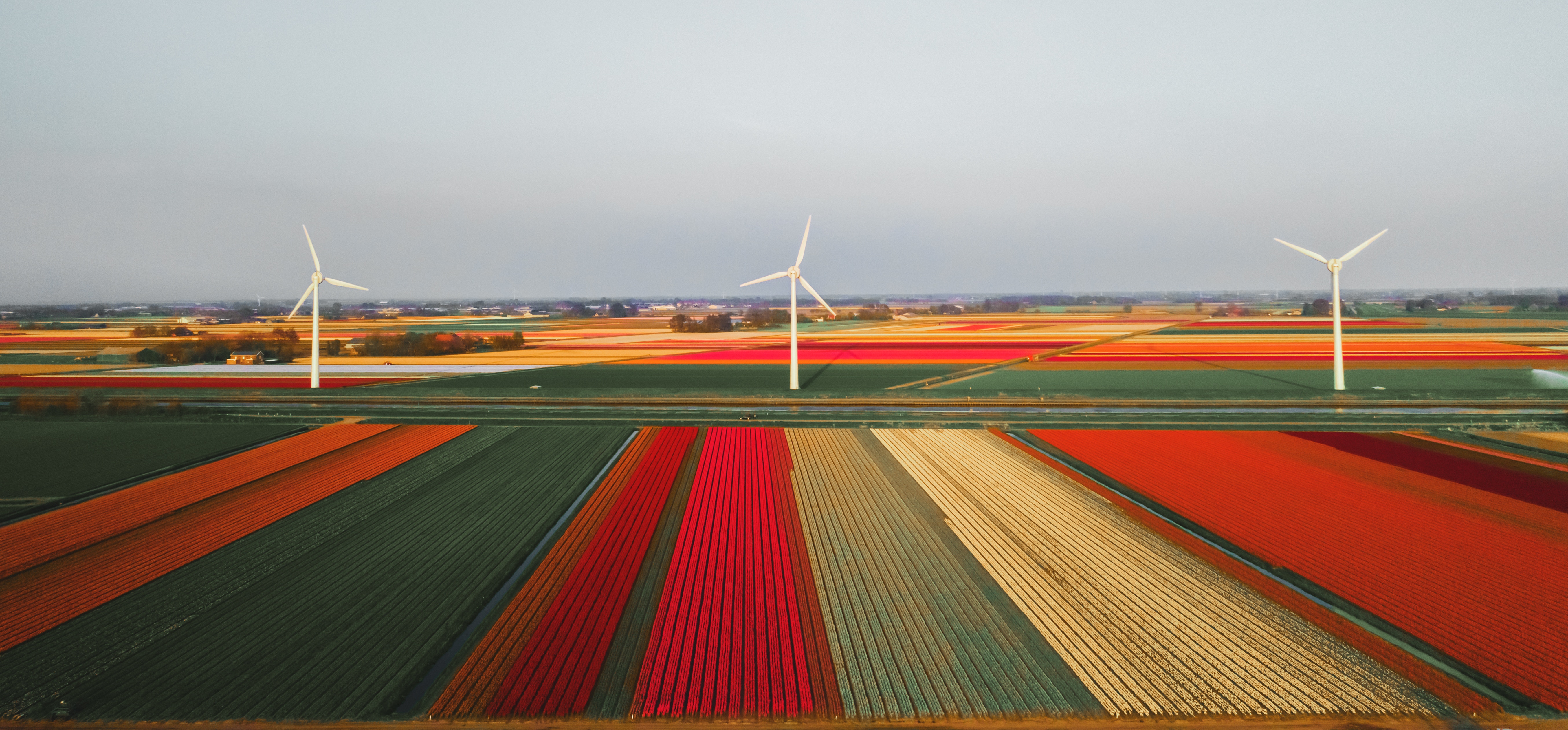
Vast expanses of this country are covered in tulips and other flowers.

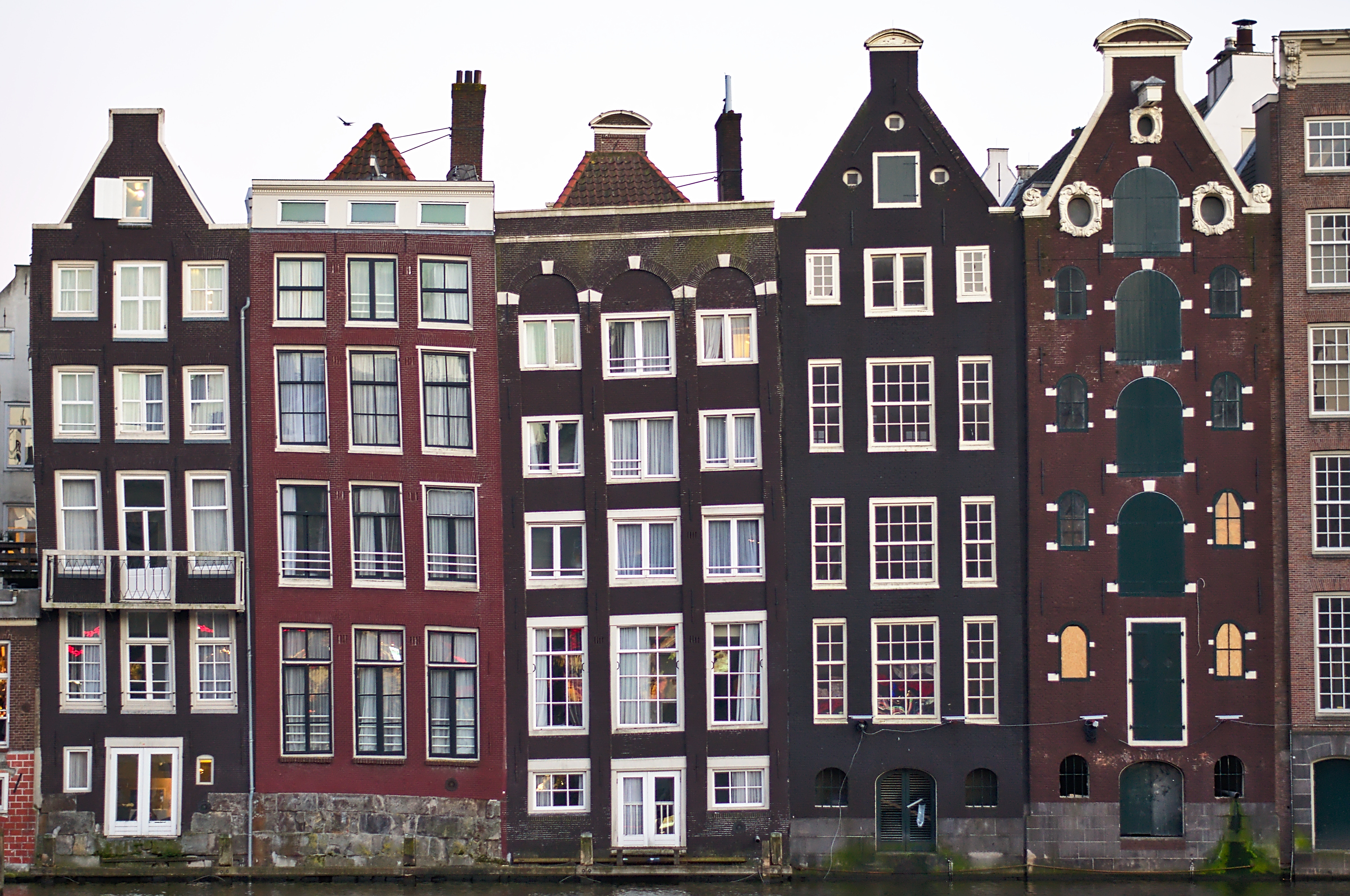
Amsterdam, it should be noted, is also called “the Venice of the North”, due to the great number of canals that crisscross the city, and it is also where the house of Anne Frank, perhaps Holocaust’s best-known victim, is situated.

Because they are surrounded by great beauty every day, the Dutch are said to look through orange-tinted glasses.

Additionally, there are many curiosities pertaining to the Dutch language:

It is a non-English speaking country ranked third in the world according to its use of English.

180 nationalities live here, which is the most in the world for a single country.

If you happen to hear of Flemish, you should know this is a distinct variety of standard Dutch.

Placement test for Dutch

A sure way to test your level of proficiency in the language, as well as to track the progress you’ve made, is the Hi5 educational center’s placement test. You can take it multiple times and at your own convenience. Do bear in mind, however, that the initial result achieved tends to be the most authoritative.

After completing the test, you are provided with access to the solutions, where you can also see the errors you made. The test is archived in our database and the results cannot be accessed by any third party.